


Self Tapping Screws
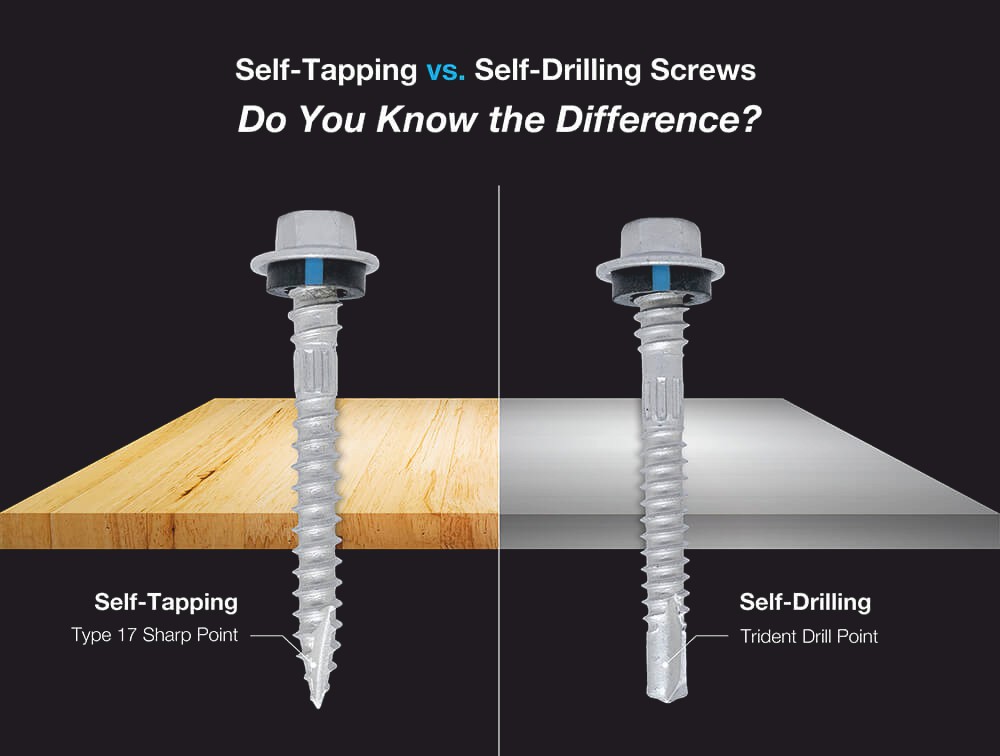
When it comes to choosing the right fastener for your project, understanding the various types of screws available is crucial. Among the most versatile and commonly used fasteners are self tapping screws. These screws are designed to drill their own hole as they are driven into the material, eliminating the need for a pre-drilled hole in many applications. In this guide, we’ll explore the different types of self tapping screws, including wood screws, drywall screws, tapping screws, and sheet metal screws—each tailored to specific tasks and materials. A self tapping screw is a screw that can cut its own thread as it is driven into a material. This makes them incredibly useful for a wide range of materials, including metals, plastics, and wood. The design of a self tapping screw typically includes a sharp, pointed tip that initiates the threading process, allowing the screw to cut into the material without the need for a pilot hole. This feature makes self tapping screws an efficient choice for both professionals and DIY enthusiasts. Wood screws are a subtype of self tapping screws specifically designed for joining wood pieces together. These screws are engineered with deep threads that provide strong holding power in wood materials. The threads on a wood screw are usually coarse, allowing them to grip the wood securely, which is essential for ensuring a tight fit. The sharp, tapered point helps to reduce the risk of splitting the wood, making wood screws ideal for constructing furniture, decking, and other wooden structures. Wood screws come in various lengths and diameters to suit different applications. They can be used with hardwoods, softwoods, and engineered wood products like plywood and MDF. When selecting wood screws, it’s important to consider the type of wood you’re working with, as this will influence the size and type of screw you need. Another common type of self tapping screw is the drywall screw, which is specifically designed for securing drywall (gypsum board) to wood or metal studs. These screws feature a bugle-shaped head that helps to countersink the screw without damaging the surface of the drywall. The threads on drywall screws are usually finer than those on wood screws, which allows them to hold securely in the thinner material of the drywall without tearing through. Drywall screws are typically made from hardened steel to provide the strength needed to hold drywall in place. They are available in various lengths, depending on the thickness of the drywall being installed. Proper installation of drywall screws is crucial for a smooth finish when taping and mudding the drywall joints. Tapping screws are a broader category that includes any screw that forms its own thread in the material it’s driven into. This includes self tapping screws as well as thread-cutting screws. Tapping screws are commonly used with metals and plastics, where creating a precise thread is essential for a secure connection. In metalworking, tapping screws are invaluable because they eliminate the need for pre-tapping holes. The sharp threads cut into the material as the screw is driven in, creating a strong bond. This makes tapping screws ideal for applications where speed and efficiency are important, such as in automotive, aerospace, and construction industries. Sheet metal screws are another specific type of self tapping screw designed for securing thin metal sheets together. These screws are available in both sharp-pointed and blunt-pointed varieties. The sharp-pointed screws are used for piercing thinner metal sheets, while the blunt-pointed screws are used when fastening thicker sheets where a pre-drilled hole may be necessary. Sheet metal screws are often made from stainless steel or other corrosion-resistant materials, making them suitable for outdoor and marine applications. The threads on sheet metal screws are typically fine and closely spaced, allowing for a strong hold in thin metal sheets without the risk of stripping the threads. When selecting the appropriate screw for your project, it’s important to consider the material you’re working with, the environment the screw will be exposed to, and the load the screw will need to bear. For woodworking projects, wood screws are typically the best choice due to their coarse threads and strong grip. For installing drywall, drywall screws are specifically designed to provide the necessary holding power without damaging the drywall. In metalworking, tapping screws and sheet metal screws offer the precision and strength needed to secure thin metal materials. In summary, self tapping screws are versatile and essential fasteners for a wide range of applications. Whether you’re working with wood, drywall, metal, or plastic, there’s a self tapping screw designed to meet your needs. By choosing the right type of screw for your project, you can ensure a secure and lasting connection that stands the test of time.What is a Self Tapping Screw?
Wood Screws: The Go-To Fasteners for Timber Projects
Drywall Screws: Essential for Gypsum Board Installations
Tapping Screws: A Versatile Option for Metal and Plastic
Sheet Metal Screws: Reliable Fasteners for Thin Metal Applications
Choosing the Right Screw for Your Project